
| Beekeeping
Bees, kept well.
Apiary design, installation, and season-long care for private properties across the Hudson Valley. You own the hives. I bring the expertise, the visits, and a written record of all of it.
How It Works
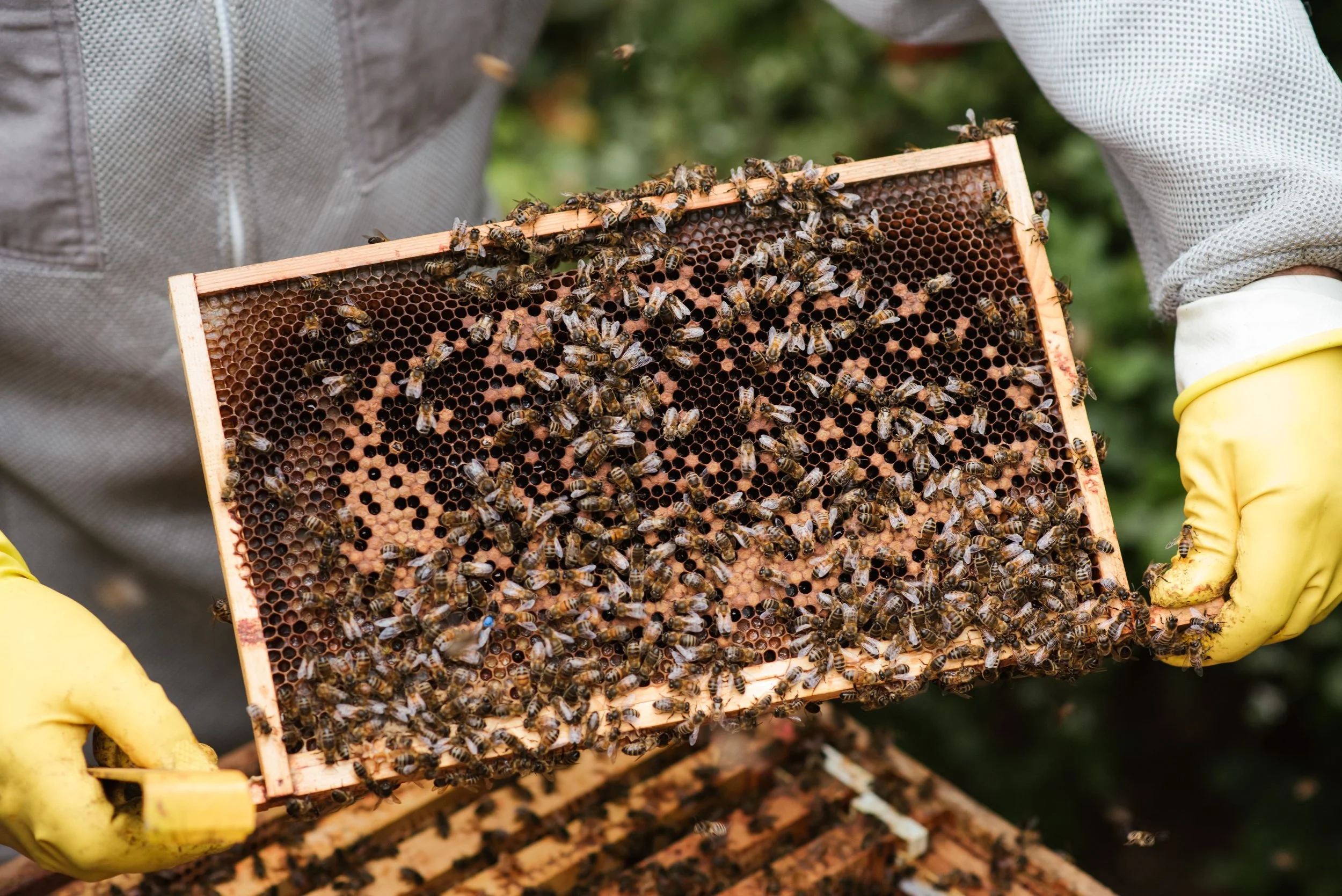
Weekly inspections through spring. Bi-weekly through summer and fall. A written field report after every visit: what I saw, what I did, what's next. That's the standard whether you're running a full eight-hive apiary or starting with one hive in the backyard.
You own the equipment. You own the bees. I bring the expertise and the time
What’s Included
New apiary
Site assessment. Layout designed for up to eight hives, even if you're starting with one or two. Electric bear fence installation. Equipment sourcing: bees, boxes, frames, feeders. First-year setup, from bee delivery through winter prep.
Existing apiary
Already have hives, or inherited an apiary that needs new management? I assess what's salvageable, look for why previous colonies struggled or died, clean and repurpose usable equipment, and build a plan from where your site actually stands, not from zero.
Season-long care
Weekly inspections in spring (April through June). Bi-weekly in summer. Bi-weekly to monthly in fall. Winter check-ins. Every visit ends with a written report.
Honey harvest
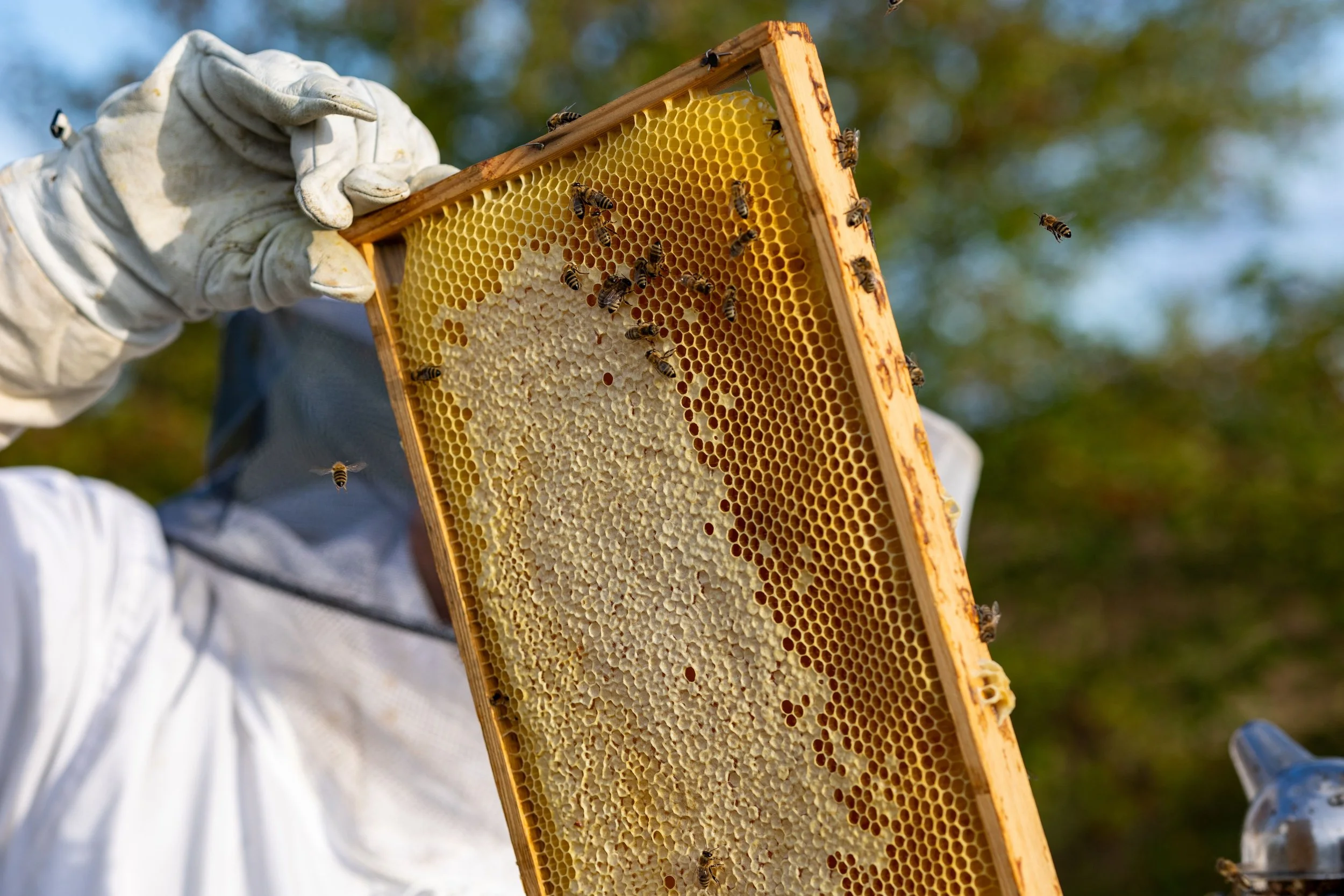
Uncapping, extraction, filtering, and bottling support when your colonies produce a surplus. Equipment recommendations sized to your actual setup, not oversold for a two-hive backyard.
Planning for spring starts in fall, not April. If you want bees on your property next year, now is when we assess the site and order equipment.
Selected work
Six-hive apiary
Apiary design, installation, and two years of season-long care.
Your Questions, Answered
-
Dutchess County, New York, including Millbrook, Pleasant Valley, Lagrange, Rhinebeck, and Poughkeepsie, plus the immediately surrounding area. If you're close to that list and not sure, ask.
-
No. You're welcome to observe if you're wearing appropriate protective gear, but your presence isn't required. You get a detailed written report the same day, every visit.
-
Every visit is billed hourly, materials are billed at cost, and nothing gets purchased without your sign-off first. You get an itemized invoice with the field notes from that period attached, so you can see exactly what you paid for.
-
One hive works for learning, but it has no backup. If the queen fails, you have nothing to rebuild from. Two is the practical minimum. For new installations, I typically design the layout for more from day one so growing later doesn't mean rebuilding the fence or the site.
-
Either works. A nuc is a small, already-established colony on drawn comb. It gets a faster start and usually survives the first season at a higher rate. A package is loose bees and a caged queen. It costs less and gives more flexibility on timing, but takes longer to build up. I'll help you choose based on your site and what's available that year.
-
Year one, plan on none. A new colony spends its first season building comb and population, and everything it produces goes toward its own winter stores. Pulling honey before that work is done is how a hive goes into winter underweight. From year two on, a healthy, overwintered hive in the Hudson Valley typically produces 20 to 50 pounds of surplus honey in an average year, and 50 to 100 pounds in a strong one. Weather, forage, and how the colony came through winter move that number a lot. I'll tell you at each inspection whether a harvest makes sense that year, for that hive.
-
Away from the hive, honeybees are generally not aggressive. They sting to defend the colony, not to attack. Site placement accounts for this from the start: hive orientation, distance from paths, and a flight-path buffer away from where people and pets spend time. If anyone on the property has a diagnosed bee allergy, that's worth discussing before installation.
-
Colony loss happens, especially in year one, no matter how careful the management is. For established apiaries, I recommend keeping a resource hive: one extra colony, stocked from your strongest producers, as insurance. Losing a resource hive costs you nothing you weren't already managing for. Losing your only hive costs you a full season. If a colony does die, I diagnose the cause, document it in your field notes, and order replacement bees for the following spring.
-
Yes. I can take over apiaries. That work starts with an equipment and colony assessment, a look at why the previous colonies failed if there's evidence to read, and a plan to restock and rebuild. You don't need to start from zero for me to take this on.
-
Bees get installed into their hives in spring, usually April, just in time for start of the nectar flow . But apiary planning is best done in fall and winter: site assessment, equipment orders, and reserving bees or nucs with a supplier. If you want an apiary next spring, the planning starts now.